Managing Emotions in Casino Play: A Handbook for More Informed Sessions
Even the most experienced gamers might get overwhelmed by emotions at a huge slot win or after losing. Therefore, it is just as important to understand betting psychology as financial skills, including chasing losses, overconfidence, or FOMO (fear of missing out). Controlling your emotions may be the difference between having fun and becoming frustrated, even in a fast-paced crash game like Drop The Boss.
Recognizing Casino Games’ Emotional Traps
Although the exhilaration of casino games is intended to be thrilling, it often leads to emotional pitfalls. The first step in avoiding these habits is recognizing them.
- Chasing Losses – Players often experience the temptation to double down in an attempt to “get even” after a significant loss. Usually, this emotional downward spiral causes the bankroll to run out more quickly.
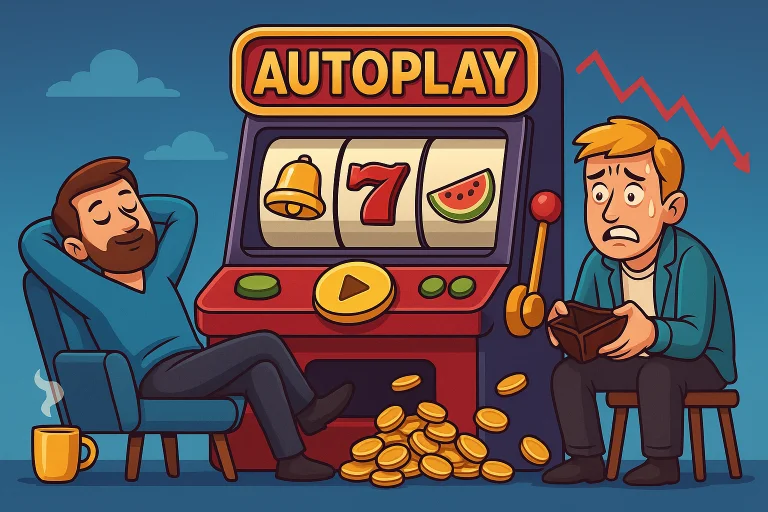
- Overconfidence Following Wins – Win streaks have the potential to cloud judgment. Feeling invincible might cause gamblers to boost bets far over their means, converting good fortune into needless danger.
- FOMO (Fear of Missing Out) – Impulsive wagers are sometimes sparked by hearing about “hot slots” or seeing others win. Long-term success is usually harmed by acting without a strategy.
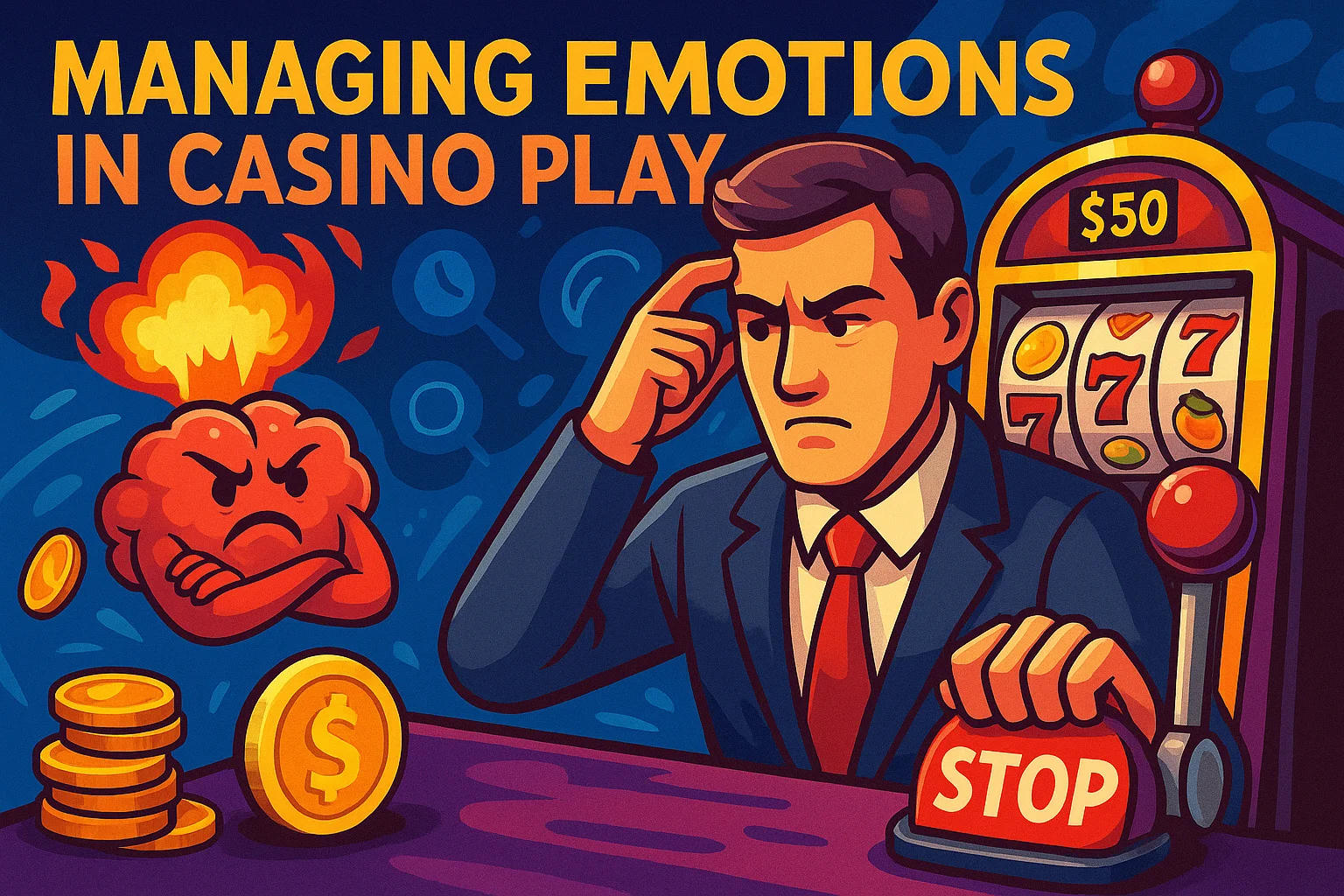
- Frustration and Tilt – “Tilt,” a phrase borrowed from poker, refers to the emotional condition in which disappointment or rage impair judgment. When tilted, players lose focus and make inconsistent wagers.
- Illusion of Control – A lot of people think they can “influence” how slots or crash games turn out. In practice, random number generators (RNGs) power each spin. Dangerous overconfidence might result from this delusion of control.
Handling Feelings: Useful Advice
You may use organized routines to combat emotional triggers after you’ve identified them.
- Take Well-Timed Breaks – Every 30 to 60 minutes, take a break from the screen. A little stroll or rest helps you refocus and avoid making rash wagers.
- Establish Explicit Win and Loss Limits – Prior to a session, decide how much you are willing to win or lose. The urge to keep pursuing is eliminated when these figures are adhered to.
- Make Use of Time Limits – Limit your playing time as well as your money. Long sessions cause weariness, and weariness causes bad choices.
- Remain Self-Aware – As you play, pay attention to your feelings. Stop right away if you find yourself placing bets out of excitement, tension, or rage.
- Steer Clear of Stressful Situations and Alcohol – Playing when drunk or preoccupied impairs judgment. Establish a peaceful space so you can concentrate on the game logically.
- Engage in Mindfulness Practice – Short mental resets and breathing exercises help people feel less anxious and maintain emotional equilibrium amid victories and defeats.
Bankroll Management Psychology
Bankroll management has a strong psychological component and is not just about statistics. What you do in the long run depends on how you manage your victories, losses, and risk tolerance.
- Separate Gambling Funds – Keep your gambling funds separate from your savings, rent, or food expenses. Think of it as entertainment capital only.
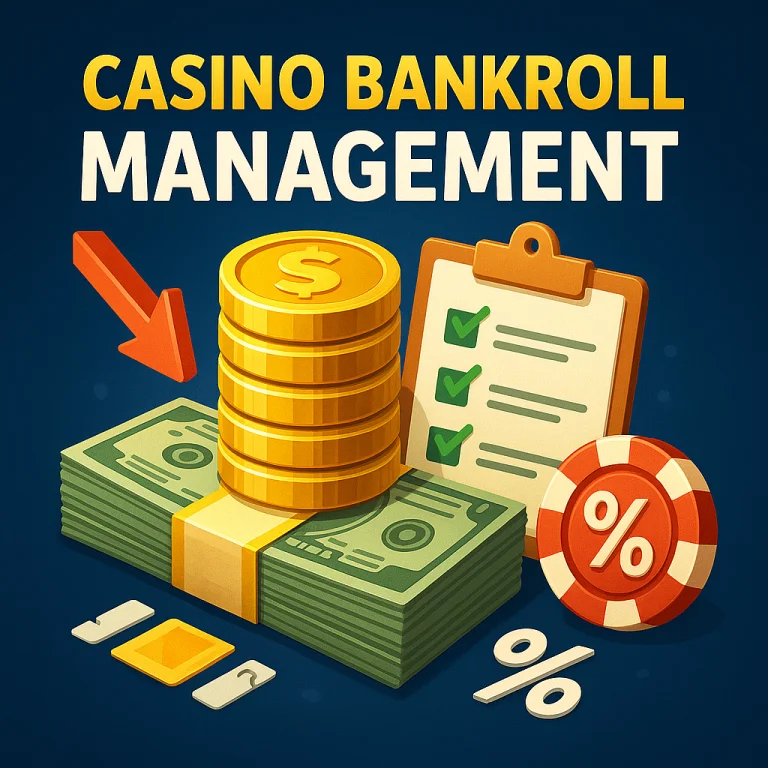
- Think in Units, Not Sums – Instead of placing arbitrary wagers, split your bankroll into units, which are between 1% and 2% of the entire sum per bet. This prevents large fluctuations and establishes consistency.
- Gradual Adjustments – Increase the size of your units gradually as your bankroll increases. Similarly, cut back during losing streaks to save money.
- Avoid All-In Bets – The quickest way to fail is to go all-in. Games with high volatility have the potential to quickly deplete your wallet.
- Monitor Each Session – Maintain a record of all deposits, wagers, and results. Analyzing outcomes improves discipline, provides clarity, and helps in finding trends.
- Emotional Detachment – When you see your bankroll as numbers rather than emotions, you may avoid being frustrated when you lose.
Developing a Long-Term Perspective
Players are often distracted by short-term outcomes, but long-term thinking is necessary for sustainable casino gambling.
- Change from Outcome to Process – Put more emphasis on making wise choices than on quick victories or defeats. Long-term, wise choices are more important than isolated outcomes.
- Accept Variance – There will be ups and downs in every game. Variance is normal. Learn to accept winning streaks without being overconfident and losing streaks without becoming panicked.
- Adopt Responsible Gambling Tools – To protect your future play, make use of the deposit limitations, cooling-off periods, and self-exclusion options that respectable casinos provide.
- Learn Patience – Big gains don’t occur every session. Long-term gamers know that the greatest reward comes from consistency and perseverance.
- Balance Play with Life – Don’t make gambling the focal point of your life, but rather one aspect of it. Reliance on the casino for emotional highs is lessened by engaging in hobbies, physical activity, or social interactions.
- Continue to Learn – Study betting psychology, adhere to bankroll tactics, and read recommendations. Both discipline and pleasure are strengthened by continuous development.
Concluding Remarks
Money and emotions don’t mix nicely unless they are managed. You may make playing at casinos a fun and sustainable activity by being aware of psychological traps and incorporating them with wise bankroll practices. Discipline, self-awareness, and maintaining composure—even while the reels continue to spin—are crucial.